Trauma-Informed Couples Therapy: Healing Together, Not Apart

Trauma doesn’t only affect the person who experienced it, it affects their relationships, too. Whether trauma stems from a single event or years of chronic stress, it often leaves behind unprocessed emotions, beliefs, and nervous system responses that shape how a person communicates, trusts, and connects. Two people can go through similar experiences and walk away with entirely different responses, because trauma is deeply individual.
When one or both partners carry trauma into a relationship, or experience trauma while in the relationship, it can influence the way each partner interprets conflict, expresses needs, or seeks closeness. Understanding these patterns is the first step in healing together rather than pulling apart.
How does trauma impact relationships?
No matter how trauma shows up, unprocessed trauma tends to create distance between partners. Distance within a partnership is often a top stress inducing experience for couples. When trauma makes honesty or vulnerability feel unsafe, even simple conversations can turn into misunderstandings, arguments, or long stretches of emotional disconnection. If trauma expresses itself through impulsivity or intense emotional reactions, trust may erode, and both partners may struggle to repair ruptures in a meaningful way. It can feel like the relationship is always bracing for the next conflict.
For some people, trauma heightens the nervous system, leading to hypervigilance, insomnia, or constant worry. Over time, this can create cycles of suspicion, repeated questioning, or emotional exhaustion that strain the relationship. For others, trauma shows up as dissociation, numbness, or feeling disconnected from reality. Even when you’re physically together, the emotional presence needed for intimacy may not be available.
These patterns aren’t failures, they’re trauma responses. But when they go unaddressed, they can make closeness feel fragile, unpredictable, or out of reach.

You can repair relationships impacted by trauma
Understanding how trauma affects you and your relationship is an important step, but it’s just the beginning. Trauma does not make healthy relationships impossible, and healing doesn’t have to happen alone. With the right support, partners can learn to turn toward each other rather than away, even when trauma has created patterns of distance, conflict, or misunderstanding.
Trauma-informed couples therapy offers a space where both partners can better understand their reactions, strengthen communication, rebuild trust, and develop new ways of relating that feel safer and more connected. It provides a framework for healing together at a pace and in a way that honors both partners’ experiences.
Healing together with trauma-informed couples therapy
For couples where the traumatized partner(s) are already seeking individual counseling support, it may be easier to pinpoint ways trauma is disrupting your relationship. But for many people, understanding the cause and extent of their trauma is difficult. Trauma-informed couples therapy doesn’t require a full understanding of trauma, and takes an approach that makes room for accommodating and understanding trauma while also equipping both partners to unlearn negative patterns and replace them with openness, understanding, and communication and connection that works for both of you.
What is trauma-informed couples therapy?
Trauma-informed couples therapy involves a trained counselor who knows how to spot and work with signs of trauma in both individuals and within relationship patterns. Your counselor will approach your relationship with three questions: (1) what's not working in your relationship, (2) what emotions underlie those dysfunctional relationship patterns, and (3) what may have happened to one (or both) of you that contributes to these dysfunctional patterns?
In EFT-based couples counseling with a trauma-informed counselor, your counselor will work with you to uncover unhelpful relational patterns, like ignoring disagreements, disregarding each other in major life decisions, or not turning toward each other after bids for connection. Your counselor will observe how you and your partner interact, and will reflect back to you what they notice, and what underlying emotions might be driving these patterns.
While you and your partner talk about what’s not working, your therapist may consider your history and current issues, and reflect back to you what they’re hearing. They may ask thoughtful questions about the ways that these patterns might have arisen, including asking about your past experiences and how they might be replaying in your relationship today.
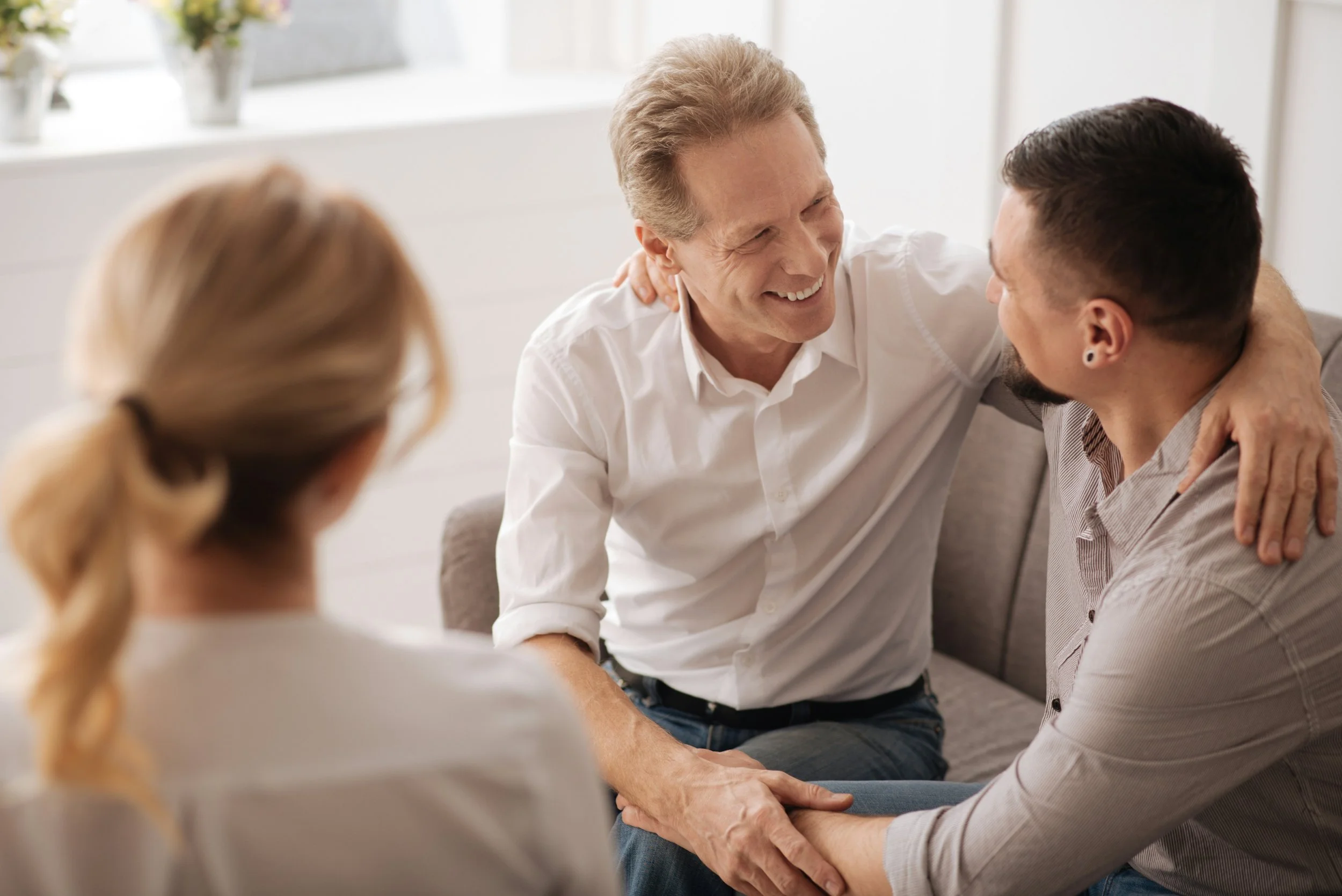
You and your partner will be encouraged to try different approaches to de-escalate your interactions as a starting point toward rebuilding trust and connection, then you’ll learn relationship skills that help you communicate, reconnect, and bond emotionally. A key part of this will be sharing your emotions with each other, openly and honestly. That vulnerability will be a major source of repair, helping each of you feel seen and heard, and that closeness created in counseling can then extend into your daily life.
Through new relational tools, a new way of understanding each other, and a new understanding of how trauma intersects with your relationship challenges, you’ll grow closer, finding a will and a way to change old habits and to love and care for each other in a more rewarding way.
Why are non-trauma-informed approaches not enough?
The impacts of trauma can be pervasive. Couples therapy that doesn’t consider trauma can miss a crucial underlying catalyst for negative patterns between partners. One or both partners might temporarily push away their trauma, in good faith, and attempt healthier behaviors like active listening, responding to bids for connection, or spending more time together. But eventually, a trauma trigger will arise that will be too difficult to ignore, making it impossible to sustain the changes you want to make or to build further intimacy in the relationship.
In order to be healed, trauma needs to be heard, understood, and cared for. A trauma-informed couples therapist can help individual partners figure out what they need to do to address their trauma, and can help partners safely turn toward each other and find connection in shared understanding. Relationships can be excellent healing spaces for trauma, and in addressing one or both partners’ trauma.
Trauma-informed couples therapy is a space to create change, not excuses
It’s important to remember that it’s nobody’s job to manage their partner’s behavior, nor is it their job to accept mistreatment, even if it stems from trauma. Your counselor isn’t going to excuse negative patterns or tell either partner to just let it go or put up with it when something like disrespectful communication patterns, different priorities, or treatment that shows contempt is part of the relationship. A trauma-informed approach to couples therapy is a particularly helpful starting point, giving each partner more information on what’s going on and what to do in ways that address all relationship challenges instead of just the surface-level ones.

Fair Oaks Behavioral Health Couples Therapy takes a trauma-informed approach to strengthening your connection
Trauma affects couples in unique ways, and trauma-informed couples therapy with an experienced, empathetic counselor can help you and your partner to heal together, strengthening your connection in a long-lasting way. At Fair Oaks Behavioral Health, our Sacramento couples therapists use their extensive experience and specialized training to help you and your partner build a stronger, more fulfilling relationship. Connect with us today for a free consultation to begin your couples therapy journey at our Fair Oaks office or online throughout California.